Live Seminar Series
Martha Heineman Pieper, Ph.D. Seminar Series
Intrapsychic Humanism Core Concepts and Clinical Applications
Our Live continuing education programming, which is complimentary with an Intrapsychic Humanism Society annual membership, currently focuses on a series of in-depth seminars in which we will explore, over time: (1) unique insights into the unfolding development of internalized core personal meaning – in being loved, loveable, and causing the caregiver’s love – through informed caregiving relationships through the first few formative years of life, (2) the underlying causes of psychopathology, and (3) a psychotherapy approach to treating not only symptoms of psychological distress, including relationship and behavioral problems, but also underlying instability, deficits, and malformation of core self-worth.
Each seminar series covers a separate chapter of the seminal book, Intrapsychic Humanism, An Introduction to a Comprehensive Philosophy and Psychology of Mind (Pieper & Pieper, 1990). Past seminar series have covered the Introduction and the first two chapters on the development of personal meaning during the first and second years of life. All previous Live seminar series are available as On Demand Seminars. We recommend beginning with the first seminar series and moving through the seminar series sequentially. Each series consists of multiple (4-8) one-hour seminars featuring presentations by experienced clinicians bringing to life the core concepts of Intrapsychic Humanism with examples to illustrate how the concepts can be applied where relevant to childrearing, parent counseling, child play therapy, and adult psychotherapy to help children and adults acquire lasting self-worth.
Live SEMINAR SERIES 5
Chapter 5 – Constitutive-Interpersonal Self Stage
Helping Middle School Age Children And Adolescents Develop Confidence, A Secure Inner Happiness, And The Ability To Make Good Choices
with Applications to Childrearing and Clinical Practice
Marian Sharkey, Ph.D. and Carla Beatrici, Psy.D.
Special Anniversary Rates – Member Rates for Everyone!
Member Rates: Regular: $60 | Early Career Professional: $50 | Student: $40
2026/27 Virtual Seminars
Wednesdays 10:30 – 11:30 am
November 4 & December 2
2 CEs for Psychologists, Social Workers, and Professional Counselors
Seminar Series Description
In this seminar series, we will explore the final stage in the Pieper’s theory of optimal childhood development, the Constitutive-Interpersonal Self Stage, from ages 6 to the end of adolescence. We will examine the developmental processes that unfold during this stage culminating in the very important developmental goal of strengthening their inner-well-being and self-worth to be able to remain stable in the face of the ups and downs of everyday life.
We will explain how children’s interpersonal agency grows more reflective based on where their sense of well-being comes from as they move through this stage – from relying upon winning and getting what they want as the source of their well-being, at the beginning of the stage, to a well-being that is no longer outcome-dependent, at the end of the stage. We will explain that when children and teens’ social, cognitive and physical motives are initially dominant, their well-being is dependent, at times, upon winning, getting what they want, and being in control. Through informed caregiving, their inner esteem can be nurtured to become gradually uncoupled from the failures and successes of everyday experiences. This inner resilience frees them up to pursue and enjoy their interpersonal motives and to be able to make more consistently reflective and constructive choices.
We will give special attention to adolescence, which is often mistakenly viewed as a time of inevitable turbulence, turmoil and power struggles with parents. We will consider adolescent behaviors that are mistaken for normal but are, in fact, indicators of psychopathology or inner unhappiness, such as rebelliousness, self-destructive behavior and a persistent need to maintain distance from or create conflict with parents. We will also discuss the misguided belief that adolescence is about achieving independence from parents and that adolescents must go through periods of rejecting their parents to become free of them. We will consider the Pieper’s view of human development that posits that real independence is achieved when a child’s inner well-being becomes independent from the ups and downs of everyday life. We will consider misguided approaches to normative adolescent behavior such as letting them suffer the consequences of their immature behavior or other “tough love” responses that serve to thwart teenagers’ emotional development. And we will describe how parents can understand and respond to their adolescent in ways that will facilitate their emotional growth while maintaining a caring, loving and enjoyable relationship with their teenager.
We will provide examples in applying these developmental insights into childrearing, parent counseling, and therapy for clients of all ages.
Learning Objectives
By the end of the seminar series, participants will be able to:
- Explain the unique aim and ultimate achievement of childhood development, according to the Piepers.
- Identify one way in which the all-powerful self manifests in both middle childhood and in adolescence.
- Describe two adolescent behaviors that are frequently considered normative but are actually indicators of inner unhappiness.
- Describe two ways parents can respond to their adolescents’ all-powerful self behavior that will strengthen their teens’ ability to constructively cope with inevitable disappointments.
- Identify a way clinicians can apply this understanding in helping clients cope with the inevitable ups and downs of life and strengthen their inner well-being and self-worth.
- Describe post-transference experience which occurs at the end of this developmental stage.
- Differentiate transference from post-transference experience as it relates to how people experience and cope with the losses of everyday life.
25th Anniversary
Professional Development Program, Public Lecture
&
Celebratory Luncheon
Co-Sponsored by
Open to Mental Health Professionals and the General Public
Saturday May 15, 2027
12:30 – 4:30 pm
Hosted at the Chicago School of Professional Psychology
400 S. Jefferson St., Chicago, IL
The William J. Peper, M.D. Lecture
Caregiving that Helps Children Develop Inner Self-Worth and Builds a More Caring Society:
Incorporating a Developmental Lens in Supporting Parents and Caregivers
Carla Beatrici, Psy.D. and Marian Sharkey, Ph.D.
Paula L. Ciccarone, Ph.D. and Ilinka Novakovic, LCSW
And Q&A with Martha Heineman Pieper, Ph.D.
3 CEs for Psychologists, Social Workers, and Professional Counselors
Special Anniversary Rates – Member Rates for Everyone!
Member Rate: Professional: $90 | Early Career Professional: $75 | Student (No CE Credits): $50 | Parent/Caregiver/Community Member (No CE Credits): $50
Seminar Series Description
In our 25th Anniversary program, we will explore the groundbreaking child development theory by Drs. Martha Heineman Pieper and William J. Pieper, Intrapsychic Humanism and their Smart Love parenting approach. The implications of their developmental perspective extend well beyond the parent-child relationship. In a world of rapid changes brought on by new technologies like AI and the effects of social media, understanding how caregiving relationships foster children’s inner well-being and core self-worth is more important than ever. Intrapsychic Humanism offers a framework for applying this understanding more broadly to the ways we collectively raise and care for children with the potential to strengthen relationships and well-being across families and communities.
In the first part of our program, we will describe the developmental theory from birth through adolescence with an emphasis on understanding children’s developmental and emotional needs through the eyes of the child. We will explore how informed responses from parents and caregivers can help children in developing an internalized unconditional self-worth that affords them inner well-being amidst life’s inevitable ups and downs, along with a capacity for genuine self-regulation—an ability to engage in self-caretaking and to be caring toward others. Together, these capacities provide a foundation for genuinely happy and meaningful lives.
While early parenting and caregiving relationships are central in the development of a child’s inner well-being and core self-worth, every caregiving relationship with a child has meaning and the potential to strengthen these capacities. This includes family members involved in children’s lives, such as grandparents and aunts and uncles, as well as professional caregivers, such as teachers, daycare providers, nannies, coaches, and tutors. These relationships can have positive developmental impacts at any point in a child’s life. In the second part of our program, we will examine how any caregiver in a child’s life, as well as professionals across disciplines and in a variety of settings, can use this developmental lens to strengthen their relationships with children and specific ways they can respond to children’s needs for core self-worth. The aim is to provide participants with a coherent developmental framework for understanding not only what children need from the adults who care for them, but why particular responses can help children develop an enduring capacity for inner happiness and reflective self-regulation.
Finally, we will show how these child development concepts can be applied in specific, practical ways by professionals working directly with parents in a variety of settings, including mental health and counseling centers and community organizations. It is never too late for professionals to help parents respond more effectively and accurately to their children’s emotional and developmental needs. Throughout the program, we will connect child development theory to the realities professionals encounter in their everyday work, offering practical ways to translate developmental understanding into meaningful support for parents and children.
Learning Objectives
At the end of the program, participants will be able to:
- Describe the unique understanding in Intrapsychic Humanism of babies’ primary need and preeminent motive for personal meaning and unconditional self-worth
- Explain how intrapsychic core self-worth differs from traditional explanations of interpersonal self-esteem
- Using this understanding of intrapsychic core self-worth, describe how parents can respond to support a baby’s motional/intrapsychic development
- Identify a primary developmental loss that babies experience during the first year of life and an intrapsychic caregiving response that helps babies mourn the loss and facilitates their development of core self-worth/inner well-being
- Explain the main developmental achievement by the age of 2 of stable veridical intrapsychic agency, according to Intrapsychic Humanism, and what it affords young children
- Explain the roles of the all powerful self and the interpersonal no response in the development of interpersonal agency in toddlers
- Describe how the source of a child’s interpersonal well-being shifts and evolves from when the child is a toddler to the end of adolescence and what this change affords children in terms of their capacity for more stable well-being and resilience
- Identify common misconceptions about infant and toddler development that can interfere with caregivers’ optimal responses and children’s development of inner self-worth
- Describe at least two ways parents and any type of caregiver, such as grandparents, coaches, and nannies, can help children mourn inevitable day-to-day losses and disappointments and strengthen their capacity for genuine resilience
- Describe at least two ways parents and any type of caregiver can use this developmental lens to strengthen their relationship with children and ultimately a child’s inner self-worth
- Explain how professionals can respond sensitively and effectively to parents’ resistance, discomfort, or ambivalence regarding support for strengthening/improving their parenting
- Describe how professionals can apply this developmental lens in concrete ways to support parents and caregivers in child welfare and community settings, while taking into account the significant environmental and psychosocial stressors that may shape family functioning and parenting
Seminar Leaders
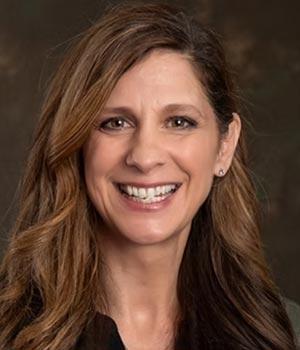
Carla Beatrici, Psy.D.
Dr. Carla Beatrici is a Clinical Psychologist with over 30 years of clinical experience providing psychotherapy to individuals of all ages and with a specialization in child and adolescent mental health. Dr. Beatrici is the President and Clinical Director of a not-for- profit organization, Smart Love Family Services, located in Oak Park and Chicago. The clinic provides a range of services including counseling for all ages, testing services, and parent education seminars. Dr. Beatrici runs the counseling program where she provides clinical training and supervision to ensure the provision of high quality mental health care. She has also developed and implemented Smart Love and Inner Humanism® staff training programs for healthcare professionals in many settings, including Easter Seals, Early Head Start, the American Medical Association, and Children’s Memorial Hospital. These trainings focus on helping caregivers create positive caring relationships with children as a way to build stable inner self-esteem. Dr. Beatrici serves on the Board of the Intrapsychic Humanism Society.
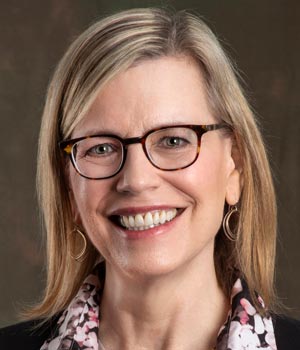
Marian Sharkey, Ph.D., LCSW
Dr. Marian Sharkey is the Director of Training at Smart Love Family Services where she provides clinical training and supervision. She has been in private practice for over 25 years and has worked with individuals of all ages in a variety of inpatient and outpatient community mental health and psychiatric hospital settings. Dr. Sharkey received her M.S.W. and Ph.D. from the School of Social Work at Loyola University Chicago where she was the founding editor-in-chief of the school’s journal, Praxis: Where Reflection & Practice Meet. She has been an adjunct faculty member in the School of Social Work at Loyola University and serves on the Board of the Intrapsychic Humanism Society. Dr. Sharkey has presented at local and national conferences on the topics of the reflective use of theory in clinical practice and the theoretical principles and practice of Inner Humanism®.
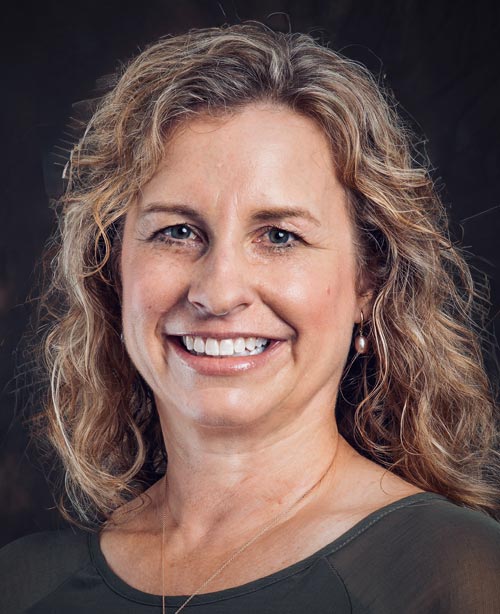
Paula L. Ciccarone, Ph.D.
Dr. Paula Ciccarone is a Clinical Psychologist and Director of Community Parent Support Programs at Smart Love Family Services. Dr. Ciccarone has over 20 years of experience working in a variety of mental health and community-based settings as a psychotherapist, non-profit leader, instructor, and coach. She specializes in prevention services and infant and child mental health. Dr. Ciccarone collaborates with local agencies to create and lead tailored support groups and workshops applying Smart Love and Inner Humanism® principles to empower parents and caregivers with practical and accessible guidance.
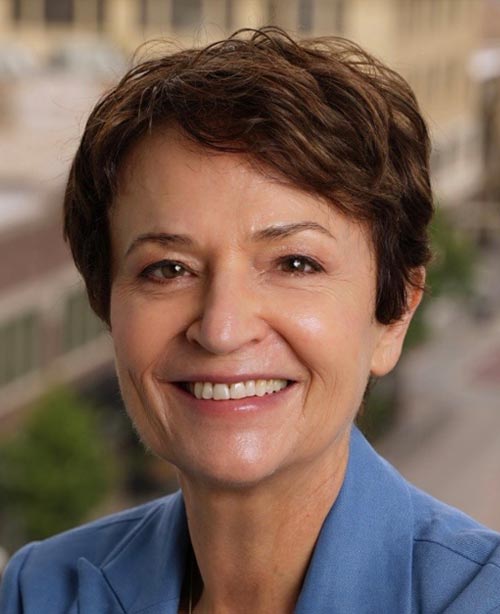
Ilinka Novakovic, LCSW
Ms. Ilinka Novakovic is a clinical social worker at Smart Love Family Services, where she works as a psychotherapist and clinical supervisor in Inner Humanism psychotherapy. As the Parent Engagement and Support Specialist, she offers parent orientations, counseling, and leads a training seminar on working with parents. She has over 20 years of experience providing psychotherapy to individuals of all ages and offers consultation to outside agencies. Ms. Novakovic maintains a private practice in Inner Humanism psychotherapy in Oak Park and serves on the Board of Directors of the Intrapsychic Humanism Society.